
Best Seasons for Tree Removals
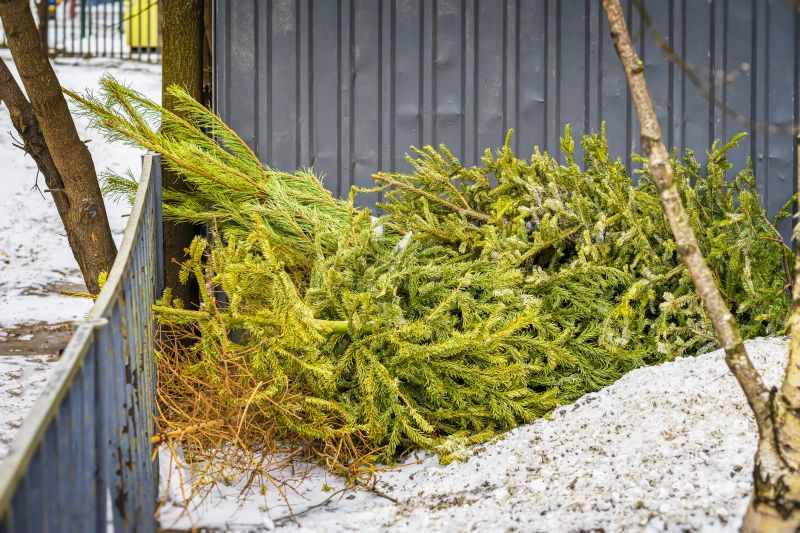
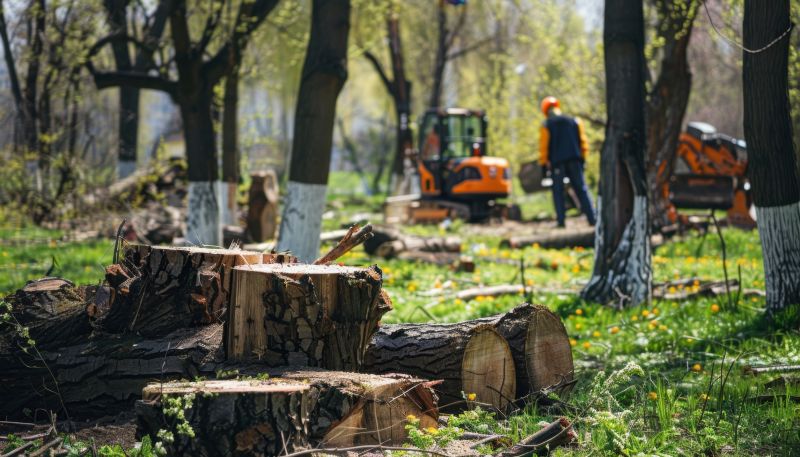
Winter is often considered ideal for tree removal due to dormant trees and less impact on surrounding landscapes.
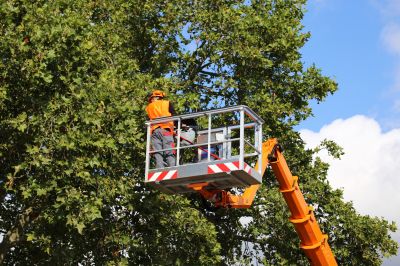
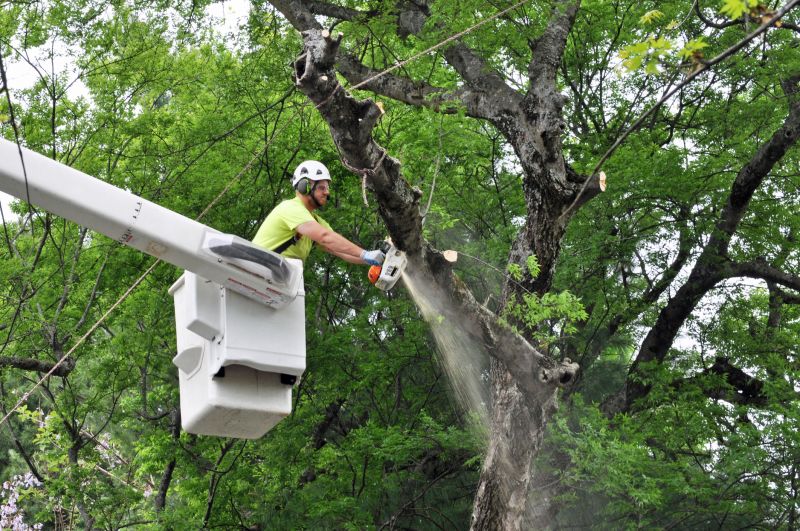
Spring can be suitable for removals when trees are actively growing, but caution is needed to avoid damaging new growth.
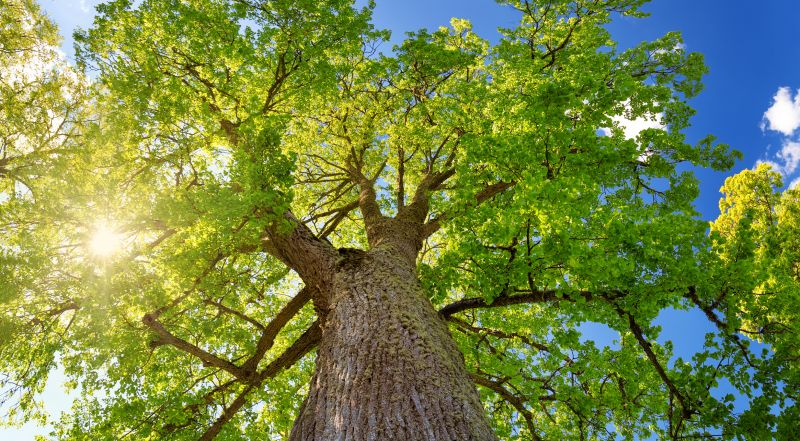
Summer removals may be more challenging due to foliage density and higher temperatures, but are sometimes necessary.
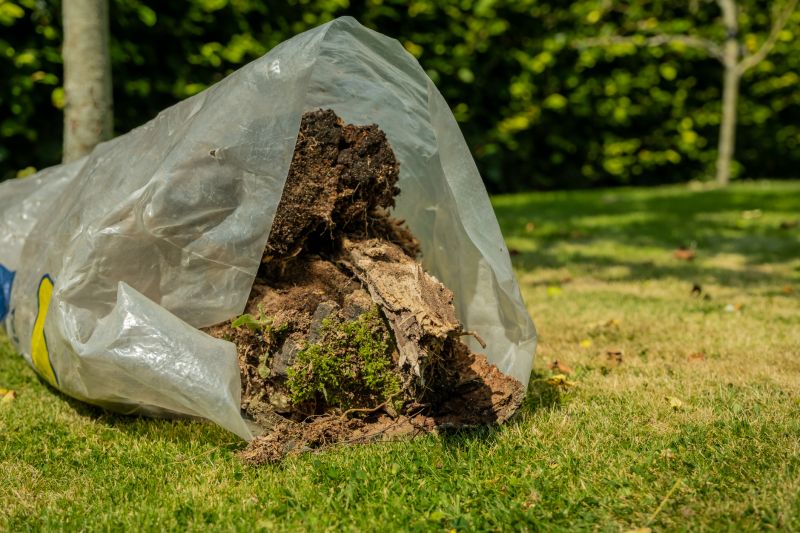
Ways to make Tree Removals work in tight or awkward layouts.
Popular materials for Tree Removals and why they hold up over time.
Simple add-ons that improve Tree Removals without blowing the budget.
Tree removals are often scheduled based on seasonal considerations to ensure safety and minimize impact on the environment. The dormant season, typically fall and winter, is preferred by many professionals because it allows for easier access and reduces stress on surrounding vegetation. During these months, trees are not actively transporting nutrients, which can decrease the risk of disease spread and promote healthier regrowth if needed.
Statistics indicate that over 60 percent of tree removals are performed in winter, as the lack of foliage provides better visibility and easier access for equipment. Additionally, removing trees during dormancy minimizes damage to nearby plants and reduces the risk of spreading pests or diseases. However, specific timing may vary depending on local climate conditions and the health of the tree.
Dormant seasons typically include late fall through winter, when trees are not actively growing.
Dry, cool weather is preferred for tree removal to ensure safer and more efficient work.
Spring removals are possible but require caution to prevent damage to new growth and budding.
High foliage density and heat can complicate removal processes during summer months.
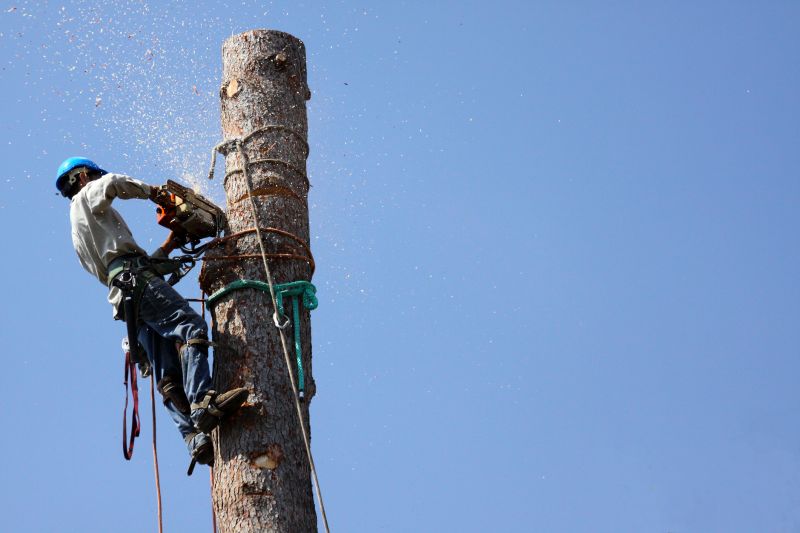
Specialized tools are used for safe and effective tree removal.
Winter conditions allow for easier access and cleaner cuts.
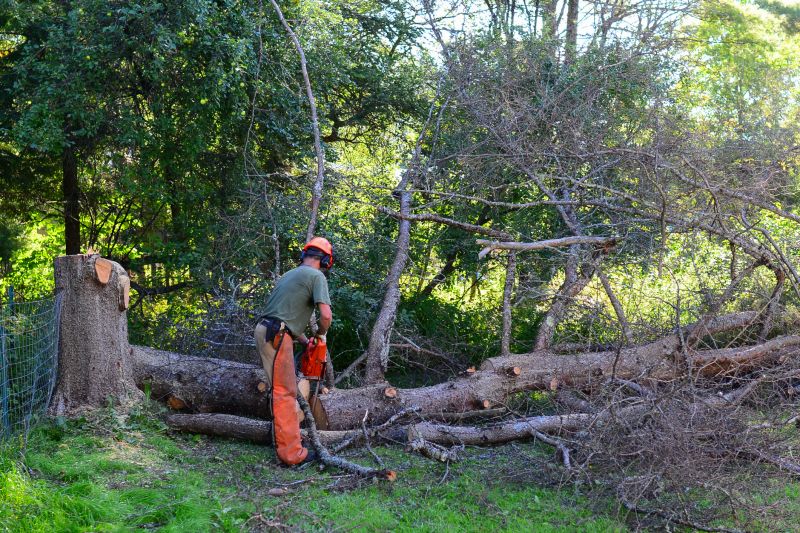
Proper timing ensures minimal impact on surrounding vegetation.
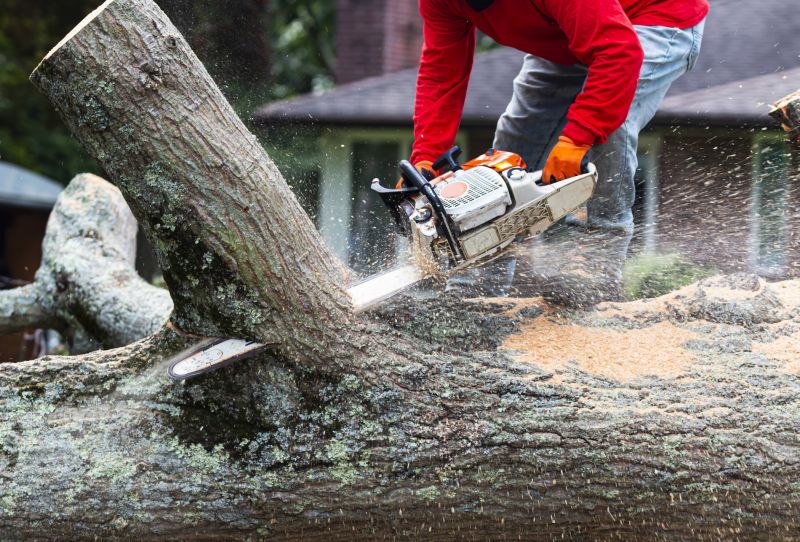
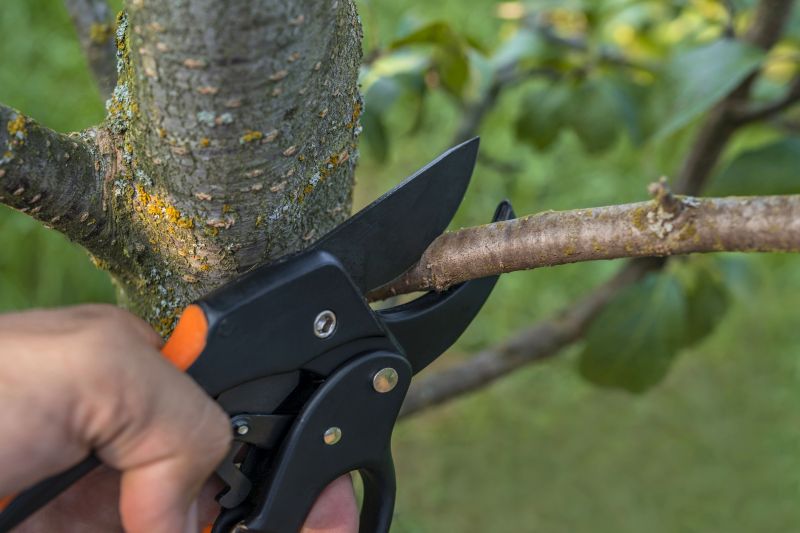
Assessing tree health helps determine the best removal time.
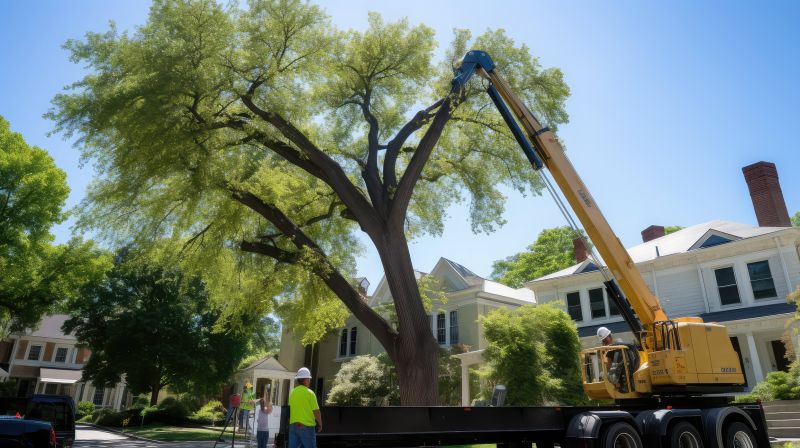
High-end options that actually feel worth it for Tree Removals.
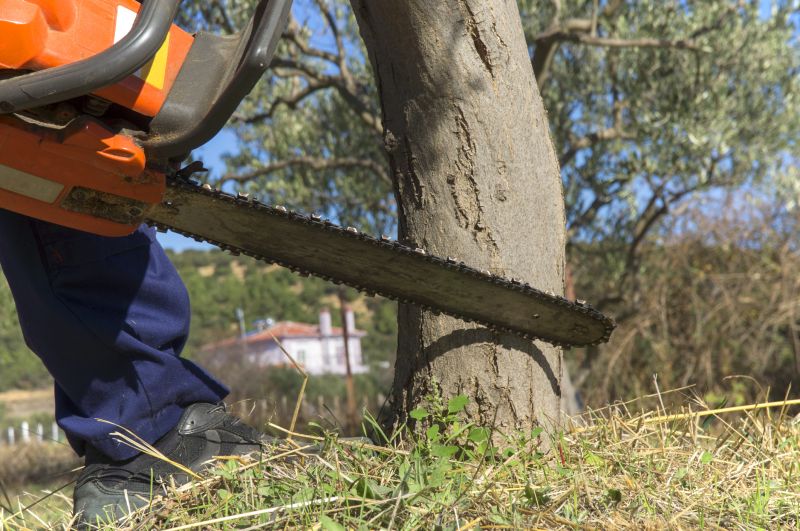
Finishes and colors that play nicely with Tree Removals.
| Season | Optimal Timing |
|---|---|
| Winter | Preferred for ease of access and minimal impact |
| Spring | Possible but requires caution during budding |
| Summer | Less ideal due to foliage density and heat |
| Fall | Acceptable in some cases, before dormancy |
| Late Fall | Suitable as trees enter dormancy |
Choosing the appropriate time for tree removal depends on multiple factors, including tree species, health, and local weather patterns. Proper timing can reduce risks, improve safety, and promote healthier landscape management. Consulting with professionals can help determine the best season for specific trees and site conditions.
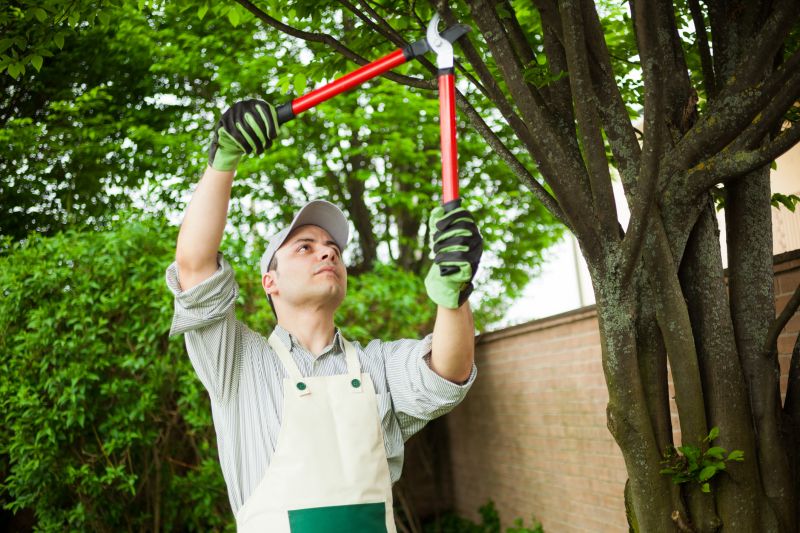
Professional removal techniques ensure safety and precision.
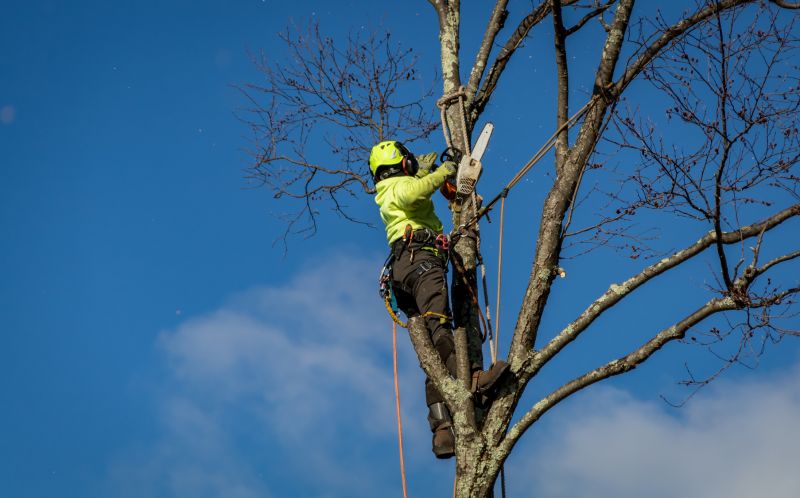
Clear winter skies and frozen ground facilitate work.
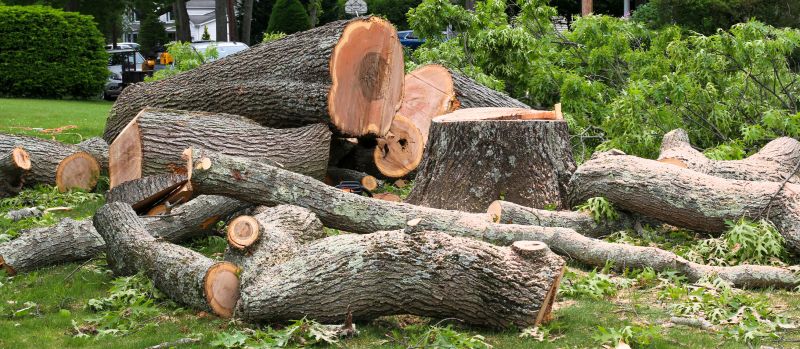
Post-removal care includes monitoring for regrowth.
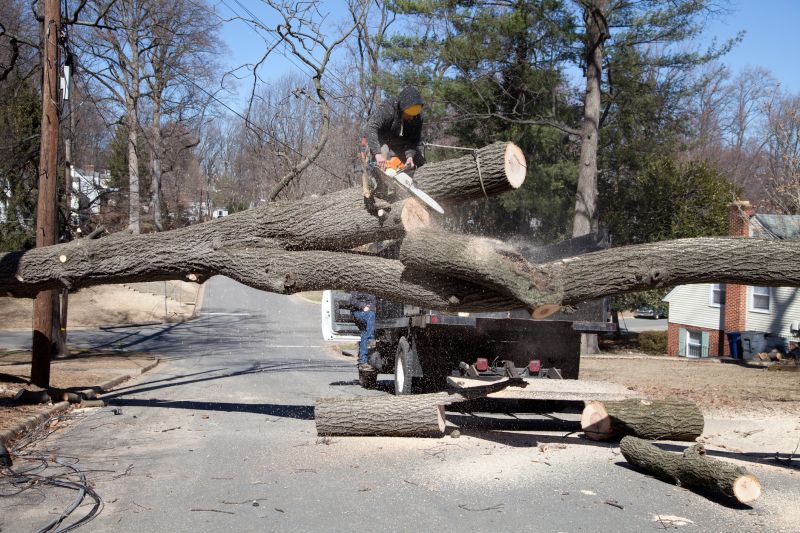
Regular evaluations help plan optimal removal times.

Little measurements that prevent headaches on Tree Removals day.
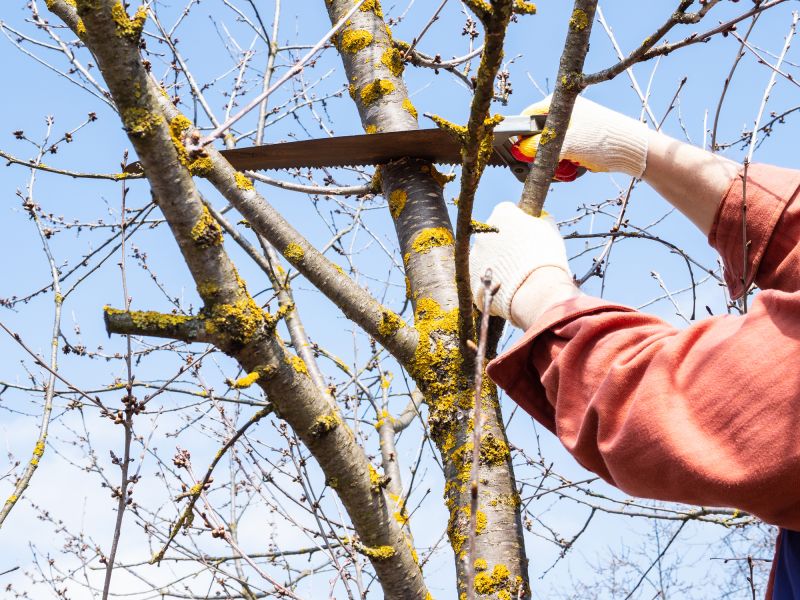
A 60-second routine that keeps Tree Removals looking new.
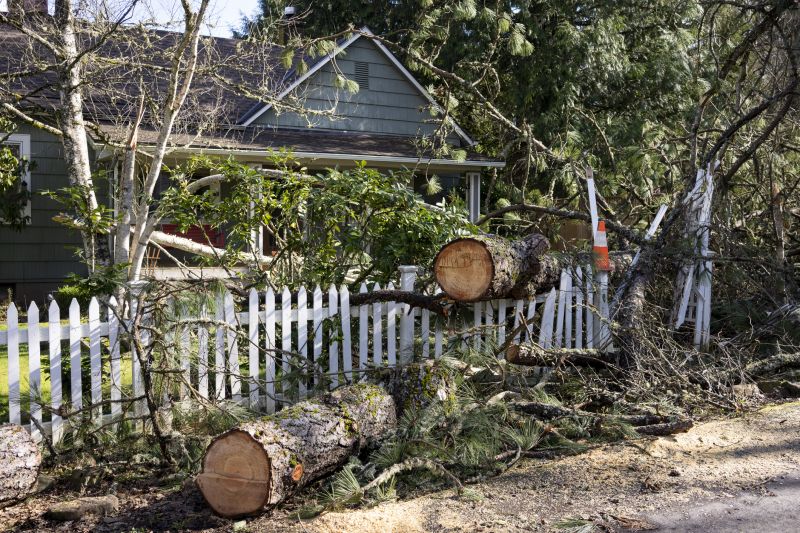
A frequent mistake in Tree Removals and how to dodge it.
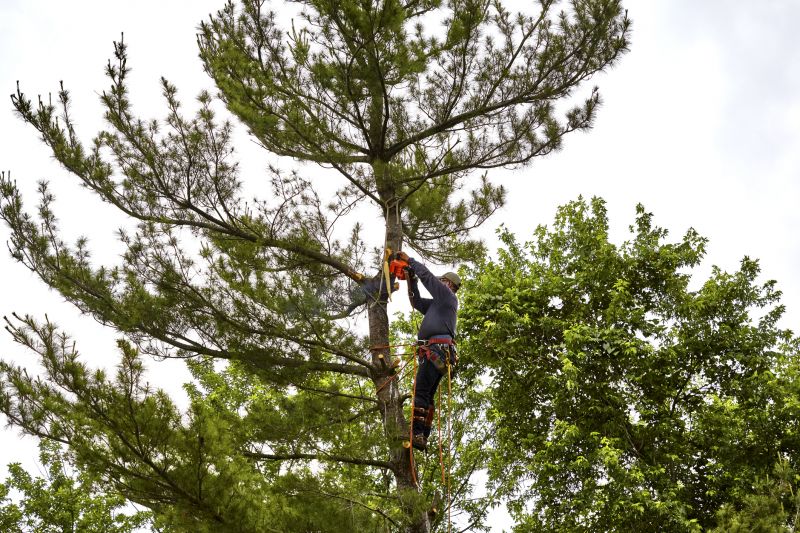
Small tweaks to make Tree Removals safer and easier to use.
Interested in scheduling a tree removal? Filling out the contact form can provide more information about the best timing for specific trees and site conditions. Proper planning ensures safety and minimizes landscape disruption.