
Popular Tree Removal Products For Homeowners and Professionals
Discover the most trusted tools and gear designed to make tree removal safer, faster, and more manageable for all skill levels.
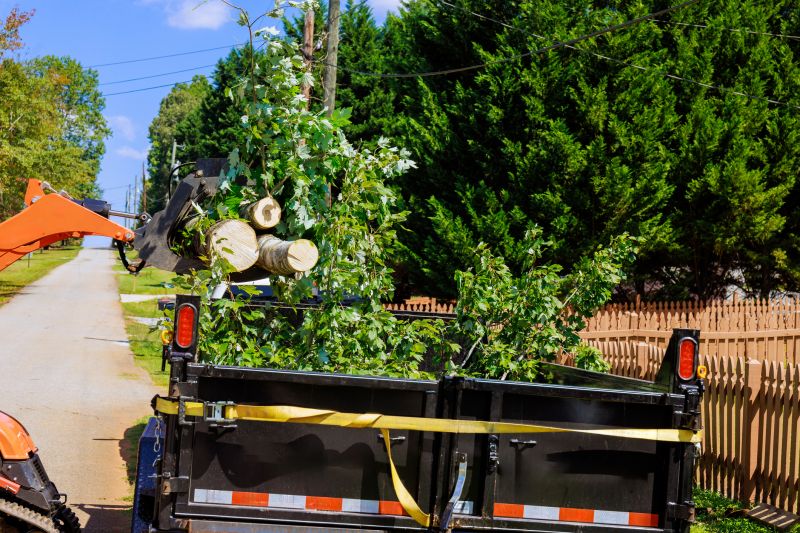 Tree removal is a task that often requires specialized tools and equipment to ensure safety and efficiency. Whether managing overgrown branches, hazardous trees, or clearing a property, selecting the right products can make the process smoother and safer. From manual hand tools to powered equipment, there are numerous options designed to handle different types of tree removal tasks. Proper safety gear and accessories also play a crucial role in protecting individuals involved in these activities.
Top Overall Option
Multi-Functional Tree Removal Kit
A versatile collection of essential tools designed to handle various tree removal tasks, including pruning, cutting, and limb management. This kit typically includes a durable chainsaw, safety gear, pruning tools, and accessories, providing a comprehensive solution for both amateur and professional users. Its adaptability makes it suitable for different tree sizes and project scopes, promoting safety and efficiency during tree removal activities.
Types of Products For Tree Removals
Chainsaws
Powerful handheld tools used for cutting through large branches and trunks, available in various sizes and power sources to suit different needs.
Pole Saws
Extendable saws designed for trimming high branches without the need for ladders, offering safety and reach.
Pruning Shears
Hand tools ideal for trimming smaller branches and shaping trees before removal or pruning.
Loppers
Long-handled cutting tools suited for cutting thicker branches that are out of reach or too large for pruning shears.
Axe and Hatchets
Manual tools useful for chopping smaller trees or branches and for splitting wood during removal.
Safety Gear
Protective equipment including helmets, gloves, eye protection, and hearing protection to ensure safety during tree work.
Ropes and Wedges
Assist in controlled tree felling and branch management, providing leverage and guidance.
Stump Grinders
Machines used for grinding down remaining stumps after tree removal, facilitating land clearing.
Ladders and Climbing Gear
Equipment for reaching high branches safely, including extendable ladders and harnesses.
Debris Chippers
Machines that convert branches and small logs into mulch, helping manage waste on-site.
Winches and Pulley Systems
Tools to assist in controlled removal of large limbs or trees by applying mechanical advantage.
Tree Removal Dollies
Specialized carts for transporting large branches or small logs safely across the property.
Popular Choices
Widely used for their mobility and power, suitable for larger trees and heavy-duty cutting tasks.
Convenient for trimming high branches without the hassle of fuel, ideal for residential use.
Popular for detailed pruning work and small branch trimming, offering precision and control.
Effective for cutting thicker branches, providing leverage and strength for demanding tasks.
Trusted by professionals for safe ascent and work at heights during tree removal projects.
Essential safety gear to protect against falling debris and branches during cutting activities.
Popular for processing branches into mulch, reducing waste and facilitating cleanup.
Help guide the direction of falling trees safely and efficiently.
Commonly used for removing leftover stumps after tree felling, allowing for land restoration.
Used for pulling or lowering large limbs, providing mechanical assistance in complex removals.
Stable platforms for reaching high branches safely, often used with climbing gear.
In Williamsburg, VA, where mature trees are common in residential and commercial landscapes, having reliable tools for tree removal can be essential. The right equipment not only helps in completing the job effectively but also minimizes risks associated with falling branches or unstable trees. It's important to assess the size and condition of the trees, as well as the environment in which the work will be performed, to choose the most suitable products.
Using the correct tools can significantly reduce physical strain and improve precision during tree removal. For example, chainsaws with appropriate bar lengths allow for better control and reach, while safety harnesses and helmets protect against potential injuries. Additionally, accessories like wedges, ropes, and pruning tools can assist in controlled felling and branch management. Investing in quality equipment tailored to the specific needs of tree removal tasks can contribute to safer and more efficient property maintenance.
When selecting products for tree removal, consider compatibility with your experience level, the size of the trees, and the typical conditions of your work area. Proper maintenance and understanding of each tool's capabilities are also vital for safe operation. Whether undertaking a small pruning project or removing a large, hazardous tree, having a comprehensive set of reliable tools can make the process manageable and safer for everyone involved.
Key Buying Considerations
- Tree size and trunk diameter determine the appropriate power and blade length of cutting tools.
- Safety features such as guards, automatic shutoff, and anti-vibration handles enhance user protection.
- Power source options include gas, electric, and battery-powered tools, each with specific advantages.
- Ease of use and ergonomic design can reduce fatigue during prolonged removal tasks.
- Durability and build quality ensure the equipment withstands demanding work environments.
- Compatibility of accessories and replacement parts can affect long-term maintenance costs.
- Weight of tools influences maneuverability, especially when working at heights or extended periods.
- Noise levels may be a consideration for residential areas or noise-sensitive environments.
- Storage and transportation options, such as carrying cases or carts, can facilitate job site organization.
- Availability of local service and support can impact maintenance and repairs.
- Environmental conditions like weather and terrain should influence the choice of equipment.
- Budget constraints may guide selection between manual, electric, or gas-powered options.
- Training or experience level required to operate advanced machinery safely and effectively.
- Regulatory compliance and safety standards relevant to professional or DIY use.